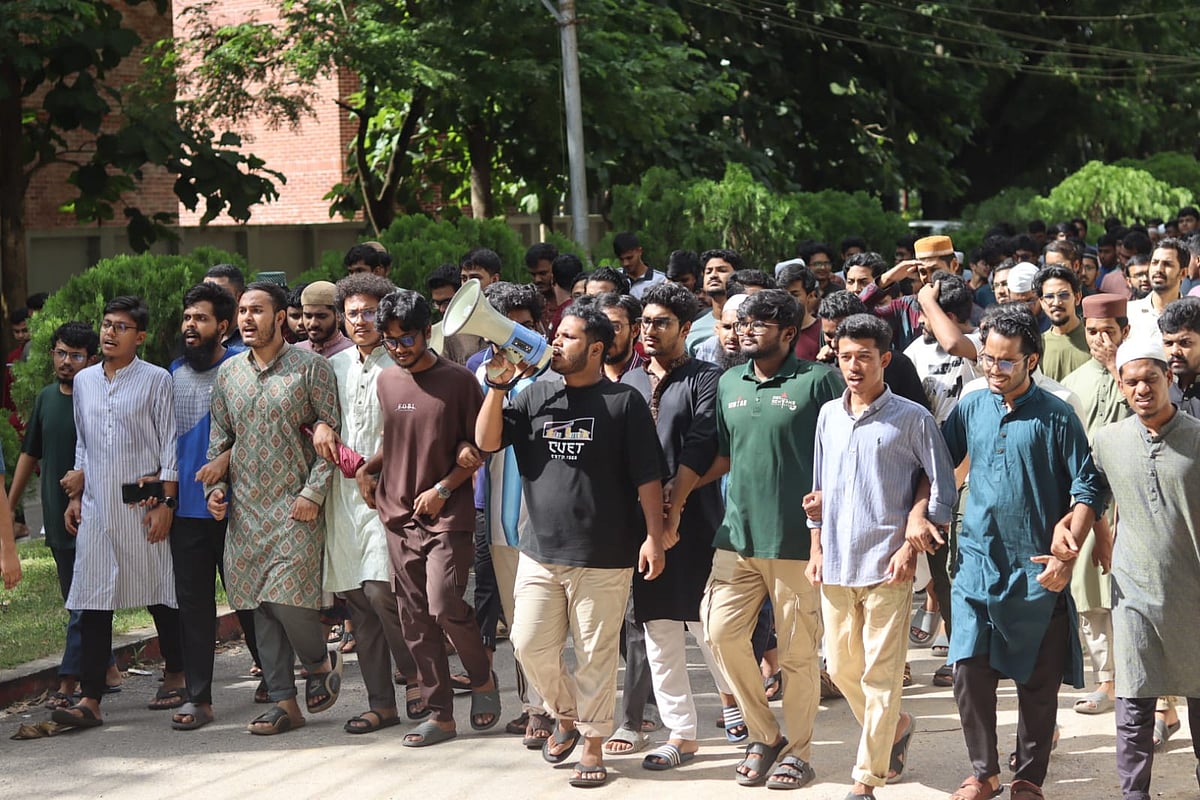
গত বছর শিক্ষককে শারীরিকভাবে লাঞ্ছিত করার অভিযোগ তুলে দীর্ঘদিন ক্লাস-পরীক্ষা বন্ধ ছিল খুলনা প্রকৌশল ও প্রযুক্তি বিশ্ববিদ্যালয়ে (কুয়েট)। শিক্ষার্থীদের লাগাতার আন্দোলনের পরিপ্রেক্ষিতে ওই বছর ২৫ এপ্রিল কুয়েটের তৎকালীন উপাচার্য ড. মুহাম্মদ মাছুদ এবং সহ-উপাচার্য ড. শেখ শরীফুল আলমকে দায়িত্ব থেকে অব্যাহতি দিয়েছিল শিক্ষা মন্ত্রণালয়।
এরপর সেখানে চট্টগ্রাম প্রকৌশল ও প্রযুক্তি বিশ্ববিদ্যালয়ের (চুয়েট) পুরকৌশল বিভাগের অধ্যাপক মো. হযরত আলীকে ভারপ্রাপ্ত উপাচার্য হিসেবে নিয়োগ দেওয়া হলেও মাসখানেকের মধ্যে তিনিও অব্যাহতি পান।
Visit somethingsdifferent.biz for more information.
কুয়েটে শিক্ষক-শিক্ষার্থীদের বিবাদের ঘটনায় অব্যাহতি পাওয়া বিশ্ববিদ্যালয়টির সাবেক সহ-উপাচার্য ড. শেখ শরীফুল আলমকে সম্প্রতি চুয়েটের নতুন উপাচার্য হিসেবে নিয়োগ দেওয়া হয়েছে। একই পদে চলতি বছরের ২৭ জুলাই বিশ্ববিদ্যালয়টির যন্ত্রকৌশল বিভাগের অধ্যাপক আবু সাদাত মুহাম্মদ সায়েমকে দায়িত্ব দেওয়া হলেও নিয়োগের মাত্র ৫৬ দিনের মাথায় ২১ সেপ্টেম্বর তাঁকে ওই পদ থেকে অব্যাহতি দেওয়া হয়।
চার বছরের জন্য নিয়োগ দেওয়ার বিধিবিধান থাকার পরও ঠিক কী কারণে অধ্যাপক আবু সাদাতকে ‘উপাচার্য’ পদ থেকে সরিয়ে দেওয়া হয়েছে তা স্পষ্ট না হলেও বিশ্ববিদ্যালয়টির শিক্ষার্থীরা ক্লাস-পরীক্ষা ফেলে শিক্ষা মন্ত্রণালয়ের ওই প্রজ্ঞাপনের পর থেকে লাগাতার আন্দোলন করে আসছেন। অধ্যাপক আবু সাদাত মুহাম্মদ সায়েমকে চুয়েট উপাচার্য পদে পুনর্বহালের দাবিতে আন্দোলনে রয়েছেন তাঁরা। প্রধানমন্ত্রীকে খোলাচিঠিও দিয়েছেন।
প্রশ্ন হলো ঠিক কী কারণে শিক্ষার্থীরা ‘শিক্ষা মন্ত্রণালয়ের’ এই সিদ্ধান্তের বিরুদ্ধে অবস্থান নিয়েছেন? আর শিক্ষা মন্ত্রণালয় কেন একজন উপাচার্যকে দায়িত্ব থেকে অব্যাহতি দিয়ে আরেক বিশ্ববিদ্যালয়ের শিক্ষককে চুয়েটে উপাচার্য বানাল?
এসব প্রশ্নের উত্তর দেওয়ার আগে জানতে হবে, বিশ্ববিদ্যালয়টির উপাচার্য নিয়োগ আইনে কী বলা হয়েছে। চট্টগ্রাম প্রকৌশল ও প্রযুক্তি বিশ্ববিদ্যালয় আইন, ২০০৩-এর ১০(১) ধারা অনুযায়ী চ্যান্সেলর/আচার্য প্রকৌশল শিক্ষা ও গবেষণার সহিত সম্পৃক্ত একজন জ্যেষ্ঠ প্রকৌশল শিক্ষাবিদকে চার বছরের মেয়াদের জন্য ভাইস-চ্যান্সেলর পদে নিয়োগদান করবেন, আর (৩) ধারায় বলা হচ্ছে, ভাইস–চ্যান্সেলরের পদ শূন্য হইলে কিংবা ছুটি, অনুপস্থিতি, অসুস্থতা বা অন্য কোনো কারণে তিনি তাঁহার দায়িত্ব পালনে অসমর্থ হইলে, শূন্য পদে নবনিযুক্ত ভাইস-চ্যান্সেলর কার্যভার গ্রহণ না করা পর্যন্ত কিংবা ভাইস-চ্যান্সেলর পুনরায় স্বীয় দায়িত্ব পালনে সমর্থ না হওয়া পর্যন্ত চ্যান্সেলরের ভিন্নরূপ সিদ্ধান্ত না থাকা সাপেক্ষে প্রো-ভাইস-চ্যান্সেলর, ভাইস-চ্যান্সেলরের দায়িত্ব পালন করবে।
এর বাইরে উপাচার্যকে কোনো ধরনের কারণ দর্শানো ব্যতিরেকে তাঁহার পদ হইতে অব্যাহতি প্রদান করিতে ক্ষমতা আচার্যের রয়েছে বলে ১০(২) ধারায় বলা হয়েছে। মূলত এই ধারাটির বলে চুয়েটের অধ্যাপক আবু সাদাত মুহাম্মদ সায়েমকে অব্যাহতি দেওয়া হয়েছে।
আইন বলেই এভাবে একজন উপাচার্যের নিয়োগ বাতিল করা যায়। কিন্তু কোনো ধরনের ব্যাখ্যা ছাড়া একজন শিক্ষককে দুই মাসের মধ্যে নিয়োগ বাতিল করার কৌশলটা যতটা না আচার্যের হাতে তার চেয়ে বেশি ক্ষমতা কোনো একটি মহলের ছিল, যার খেসারত গুনছে বিশ্ববিদ্যালয়টি। কারা পর্দার আড়াল থেকে এই নিয়োগ নিয়ে কলকাঠি নাড়ছে? এর আগে–পেছনে রাজনৈতিক শক্তির প্রদর্শন চলছে বলে প্রতীয়মান হচ্ছে।
বিশ্ববিদ্যালয়ের মতো একটি প্রতিষ্ঠানে উপাচার্য নিয়োগের যে ভেলকিবাজি শুরু হয়েছে তা বন্ধের দাবি আমরা এক দশক ধরেই বলে আসছিলাম। নিজ বিশ্ববিদ্যালয়ের যোগ্য ও দক্ষ শিক্ষকদের ফেলে অন্য বিশ্ববিদ্যালয়ের শিক্ষকদের উপাচার্য বানানোর বিষয়ে আপত্তি তো আছেই। যে বিশ্ববিদ্যালয়ে শত শত অধ্যাপক রয়েছে, সেই বিশ্ববিদ্যালয়ের শিক্ষকদের উপেক্ষা করে আরেকটি বিশ্ববিদ্যালয়ের শিক্ষককে কেন আনা হবে তা বোধগম্য নয়।
যাঁকে নতুন উপাচার্য বানানো হয়েছে, সেই উপাচার্য স্বীয় বিশ্ববিদ্যালয়ে দায়িত্ব পালন করতে পারেননি, তাঁকে অন্তর্বর্তীকালীন সরকারের সময় অব্যাহতি দেওয়া হয়েছে। তাহলে প্রশ্ন উঠতেই পারে, অন্তর্বর্তীকালীন সরকারের সময়ে সহ-উপাচার্য পদ থেকে অব্যাহতি পাওয়া শিক্ষককে নতুন করে পদায়ন কি নিছক সম্মান দেখানো? নাকি মন্ত্রণালয়ে ঘনিষ্ঠ কোনো পক্ষের পছন্দের তালিকায় থাকা ব্যক্তির খেয়ালখুশিতে নতুন নিয়োগ হচ্ছে?
এর চেয়ে বড় প্রশ্ন হচ্ছে, বিশ্ববিদ্যালয়টির আত্মমর্যাদার। ওই বিশ্ববিদ্যালয়টির শিক্ষক, শিক্ষার্থীরা আরেকটি বিশ্ববিদ্যালয়ের শিক্ষককে কেন অভিভাবক হিসেবে গণ্য করবে, তা নিয়ে প্রশ্ন তোলা অমূলক হবে না। একটি প্রতিষ্ঠান যখন বারবার বাইরের সিদ্ধান্তের ভরসায় তার নেতৃত্ব নির্ধারণ করতে বাধ্য হয়, তখন প্রশ্ন থেকে যায়—আদৌ কি সেই প্রতিষ্ঠান তার নিজস্ব স্বকীয়তা, স্বায়ত্তশাসন ও শিক্ষাগত মর্যাদা বজায় রাখতে পারছে?
কারা প্রতিজ্ঞা করেছেন, অধ্যাপক শেখ শরীফুল আলমকে চুয়েটের উপাচার্যই বানাতে হবে? তিনি যদি রাজনৈতিক যোগ্যতার সনদে উপাচার্য হওয়ার দৌড়ে এগিয়ে থাকেন, তাহলে শিক্ষা মন্ত্রণালয় কেন তাঁকে কুয়েটেরই উপাচার্য বানালেন না?
এটা দুই বিশ্ববিদ্যালয়ের অন্তঃকলহের ফসল কি না, তা হয়তো নিশ্চিত করে বলা যায় না। অন্তর্বর্তীকালীন সরকারের সময় কুয়েটে ভারপ্রাপ্ত উপাচার্য ছিলেন চুয়েট থেকে, তাঁকে সেখানে টিকতে দেওয়া হয়নি, এখন চুয়েটে উপাচার্য হয়ে আসছে কুয়েট থেকে, তাঁকে দায়িত্ব দেওয়া হচ্ছে না। তবে আবু সাদাত মুহাম্মদ সায়েম শিক্ষক হিসেবে এবং অল্প দিনেই উপাচার্য হিসেবে শিক্ষার্থীদের মন জয় করেছেন বলেও শোনা যাচ্ছে। ফলে এমন উপাচার্যের পক্ষেই তো শিক্ষার্থীদের থাকার কথা।
ঘটনার দ্বন্দ্ব থাকুক বা না থাকুক, এ ধরনের ঘটনাপ্রবাহ থেকে একটি বৃহত্তর প্রশ্নও উঠে আসে—শিক্ষাপ্রতিষ্ঠানের প্রশাসনিক স্থিতিশীলতা ও একাডেমিক পরিবেশের ওপর এর কী প্রভাব পড়ে। বারবার নেতৃত্ব পরিবর্তনের ফলে দীর্ঘমেয়াদি পরিকল্পনা, গবেষণা তত্ত্বাবধান ও প্রাতিষ্ঠানিক সংস্কার কার্যক্রম ব্যাহত হয়, আর শিক্ষার্থীদের শিক্ষাজীবনে অনিশ্চয়তা তৈরি হয়, যার প্রতিফলন দেখা যাচ্ছে ক্লাস-পরীক্ষা বন্ধ রাখার ধারাবাহিক ঘটনায়।
উপাচার্য নিয়োগের প্রজ্ঞাপনে চার নম্বর শর্তে স্পষ্ট বলা হচ্ছে, তিনি বিশ্ববিদ্যালয়ের প্রধান নির্বাহী হিসেবে সার্বক্ষণিক বিশ্ববিদ্যালয় ক্যাম্পাসে অবস্থান করবেন, সেখানে নতুন নিয়োগ পাওয়া উপাচার্য ভার্চ্যুয়ালি যোগ দিয়েছেন বলে গণমাধ্যমের খবর বের হয়েছে (প্রথম আলো, সেপ্টেম্বর ২৫, ২০২৬)।
প্রশ্ন হলো, শিক্ষার্থীদের বিরোধিতার মুখে থাকার পরও এই অধ্যাপক কেন উপাচার্য হওয়াতে অটল থাকছেন? একজন অধ্যাপকের সম্মান যে ক্লাসে, গবেষণাগারে সেই কথাটি কেন তাঁরা ভুলে যান? যেখানে শিক্ষার্থীরা চাচ্ছেন না তিনি প্রশাসনিক দায়িত্ব পালন করুন, সেখানে তিনি কেন চেয়ারে বসার বিষয়টিকেই গুরুত্ব দিচ্ছেন? উপাচার্যের চেয়ারে কি মধু লুকিয়ে আছে? শিক্ষার্থীদের অনীহার মধ্যে কীভাবে তিনি দায়িত্বপালন করবেন?
কারা প্রতিজ্ঞা করেছেন, অধ্যাপক শেখ শরীফুল আলমকে চুয়েটের উপাচার্যই বানাতে হবে? তিনি যদি রাজনৈতিক যোগ্যতার সনদে উপাচার্য হওয়ার দৌড়ে এগিয়ে থাকেন, তাহলে শিক্ষা মন্ত্রণালয় কেন তাঁকে কুয়েটেরই উপাচার্য বানালেন না?
এই বালখিল্যতায় অবশ্যই শিক্ষা মন্ত্রণালয়ের দায় রয়েছে। কাকে কখন কোন বিশ্ববিদ্যালয়ে উপাচার্য হিসেবে নিয়োগ দেওয়া হচ্ছে আবার বনিবনা না হলে নিয়োগ বাতিলও করা হচ্ছে, এ নিয়ে নানা অভিযোগ তৈরি হয়েছে। এটা নিয়োগব্যবস্থার স্বেচ্ছাচারিতা ছাড়া কিছু নয়। শিক্ষার্থী ও শিক্ষকদের চাওয়ার বাইরে গিয়ে মন্ত্রণালয় কিংবা জনপ্রতিনিধিদের চাওয়া পূরণের পসরা অবশ্যই বন্ধ করতে হবে। রাজনৈতিক পদায়ন বন্ধ করে, অবশ্যই শিক্ষা ও গবেষণায় অনুরাগী শিক্ষকদের প্রশাসনিক পদে নিয়োগ দিতে হবে।
Read full story at source